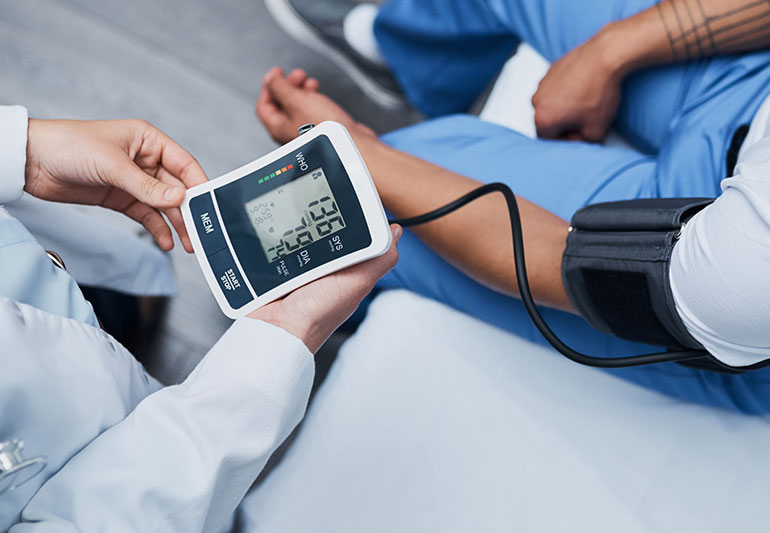
High blood pressure, or hypertension, occurs when your blood pressure increases to unhealthy levels. Your blood pressure measurement takes into account how much blood is passing through your blood vessels and the amount of resistance the blood meets while the heart is pumping.
Narrow arteries increase resistance. The narrower your arteries are, the higher your blood pressure will be. Over the long term, increased pressure can cause health issues, including heart disease.
Hypertension is quite common. In fact, since the guidelines have recently changed, it’s expected that nearly half of American adults will now be diagnosed with this condition.
Hypertension typically develops over the course of several years. Usually, you don’t notice any symptoms. But even without symptoms, high blood pressure can cause damage to your blood vessels and organs, especially the brain, heart, eyes, and kidneys.
Early detection is important. Regular blood pressure readings can help you and your doctor notice any changes. If your blood pressure is elevated, your doctor may have you check your blood pressure over a few weeks to see if the number stays elevated or falls back to normal levels.
Treatment for hypertension includes both prescription medication and healthy lifestyle changes. If the condition isn’t treated, it could lead to health issues, including heart attack and stroke.
What causes high blood pressure?
Primary hypertension is also called essential hypertension. This kind of hypertension develops over time with no identifiable cause. Most people have this type of high blood pressure. Researchers are still unclear what mechanisms cause blood pressure to slowly increase.
What are the symptoms of hypertension?
Hypertension is generally a silent condition. Many people won’t experience any symptoms. It may take years or even decades for the condition to reach levels severe enough that symptoms become obvious. Even then, these symptoms may be attributed to other issues.
Symptoms of severe hypertension can include:
- headaches
- shortness of breath
- nosebleeds
- flushing
- dizziness
- chest pain
- visual changes
- blood in the urine
These symptoms require immediate medical attention. They don’t occur in everyone with hypertension, but waiting for a symptom of this condition to appear could be fatal.
The best way to know if you have hypertension is to get regular blood pressure readings. Most doctors’ offices take a blood pressure reading at every appointment.
If you only have a yearly physical, talk to your doctor about your risks for hypertension and other readings you may need to help you watch your blood pressure.
For example, if you have a family history of heart disease or have risk factors for developing the condition, your doctor may recommend that you have your blood pressure checked twice a year. This helps you and your doctor stay on top of any possible issues before they become problematic.
Home remedies for high blood pressure
Healthy lifestyle changes can help you control the factors that cause hypertension. Here are some of the most common home remedies.
Developing a healthy diet
A heart-healthy diet is vital for helping to reduce high blood pressure. It’s also important for managing hypertension that is under control and reducing the risk of complications. These complications include heart disease, stroke, and heart attack.
A heart-healthy diet emphasizes foods that include:
fruits
vegetables
whole grains
lean proteins like fish
Increasing physical activity
Reaching a healthy weight should include being more physically active. In addition to helping you shed pounds, exercise can help reduce stress, lower blood pressure naturally, and strengthen your cardiovascular system.
Aim to get 150 minutes of moderate physical activity each week. That’s about 30 minutes five times per week.
Reaching a healthy weight
If you are overweight or obese, losing weight through a heart-healthy diet and increased physical activity can help lower your blood pressure.
Managing stress
Exercise is a great way to manage stress. Other activities can also be helpful. These include:
meditation
deep breathing
massage
muscle relaxation
yoga or tai chi
These are all proven stress-reducing techniques. Getting adequate sleep can also help reduce stress levels.
Adopting a cleaner lifestyle
If you’re a smoker, try to quit. The chemicals in tobacco smoke damage the body’s tissues and harden blood vessel walls.
If you regularly consume too much alcohol or have an alcohol dependency, seek help to reduce the amount you drink or stop altogether. Alcohol can raise blood pressure.
Dietary recommendations for people with high blood pressure
One of the easiest ways you can treat hypertension and prevent possible complications is through your diet. What you eat can go a long way toward easing or eliminating hypertension.
Here are some of the most common dietary recommendations for people with hypertension.
One of the easiest ways you can treat hypertension and prevent possible complications is through your diet. What you eat can go a long way toward easing or eliminating hypertension.
Eat less meat, more plants
A plant-based diet is an easy way to increase fiber and reduce the amount of sodium and unhealthy saturated and trans fat you take in from dairy foods and meat. Increase the number of fruits, vegetables, leafy greens, and whole grains you’re eating. Instead of red meat, opt for healthier lean proteins like fish, poultry, or tofu.
Reduce dietary sodium
People with hypertension and those with an increased risk for heart disease may need to keep their daily sodium intake between 1,500 milligrams and 2,300 milligrams per day. The best way to reduce sodium is to cook fresh foods more often. Avoid eating restaurant food or prepackaged foods, which are often very high in sodium.
Cut back on sweets
Sugary foods and beverages contain empty calories but don’t have nutritional content. If you want something sweet, try eating fresh fruit or small amounts of dark chocolate that haven’t been sweetened as much with sugar. Studies Trusted Source suggest regularly eating dark chocolate may reduce blood pressure.
What are the effects of high blood pressure on the body?
Because hypertension is often a silent condition, it can cause damage to your body for years before symptoms become obvious. If hypertension isn’t treated, you may face serious, even fatal, complications.

Dr Nsanzabera is a motivated health proffessional and an intense researcher on human life and natural remedies that can be used to treat multiple diseases.



Leave a Reply